
Whoa!
I’m biased, but lately I’ve been obsessed with multi-chain wallets. They feel like the Swiss Army knives of crypto. Initially I thought same old interface, same old risks, but then after a week of testing I realized the UX and security trade-offs are actually more subtle and important than I’d expected. My instinct said simple is safer, though deep dives proved otherwise when contracts started interacting across chains in awkward ways.
Seriously?
Here’s what bugs me about some popular extensions. They ask for endless permissions and then hide what those permissions actually let dapps do. On one hand, permission granularity can block scams and phishing, but on the other hand it can also make everyday use clunky unless the wallet gives smart defaults and clear explanations. At first glance that tension seems unsolvable, though practical design patterns exist that balance security with convenience.
Hmm…
I built my threat model like a paranoid neighbor. I asked: what happens if a malicious site tries to drain funds via cross-chain approvals? Working through that scenario forced me to look for wallets that separate signing contexts, that enforce minimum approvals, that show token allowances clearly, and that log cross-chain calls in an auditable way for the user. That combination of features reduces the attack surface substantially, while still letting you use DeFi across L2s and sidechains.
Here’s the thing.
You want a wallet that acts like a vigilant assistant, not a gatekeeper that makes everything painful. That means clear alerts, batch transaction previews, and an easy way to revoke approvals. Actually, wait—let me rephrase that: you also need performant signing, robust hardware wallet integration, and fallbacks for cold storage so that recovery isn’t a nightmare if something goes sideways on your primary browser. I tested several extensions, and the ones that nailed those three dimensions felt mature and calm, which is a rare combo in crypto.
Wow!
One of my favorite surprises was how some wallets handle multi-chain routing. They abstract network hops, but they still let you inspect the full path if you want to. On the flip side, some older wallets auto-switch networks invisibly, which is dangerous because users can end up approving transactions on the wrong chain without realizing it—this subtle UI bug can be catastrophic. I’m not 100% sure every user notices that risk, though power users will spot it immediately and feel uneasy.
Okay.
Practical tip: always check token allowances before approving multisigs. It sounds basic, but many people assume approvals are one-time and harmless. Initially I thought hardware wallets removed this entire class of problems, but then I found workflows where the browser extension interacts with the hardware device in ways that still require clear on-device prompts and honest firmware behavior. So yeah, hardware helps a lot, yet the extension’s policy on display and signing matters just as much.
Seriously.
If you care about privacy you should care about RPC defaults and block explorers too. Many extensions default to public RPC endpoints, which can leak usage patterns back to infrastructure providers. On one hand it’s convenient to auto-connect to a global node, though actually it creates metadata trails that deanonymize your wallet interactions unless you opt for private or self-hosted nodes. My recommendation: pick wallets that let you switch RPC quickly and warn you about centralization risks, because once your habits are visible it’s hard to unwind that exposure.
Hmm.
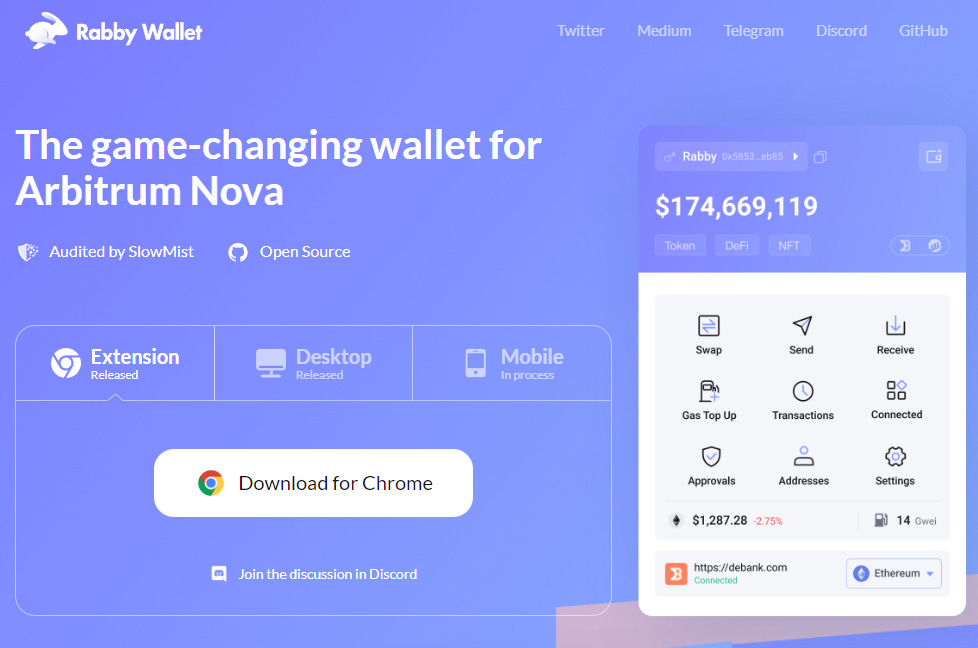
Also, I tested a wallet that makes recovery painless without being sloppy. They guide you through encrypted backups and optional cloud recovery with strong user warnings and manual keys if you prefer. Initially I thought any cloud recovery was taboo, but then I realized a well-implemented optional encrypted backup, paired with clear UX and local encryption credentials, can save users from permanent loss while still keeping reasonable security guarantees. Check this out—if you want to try one that balances these trade-offs well, try Rabby and test it against your threat model.
Try it yourself
If you want to experiment without committing your main vault, consider a disposable profile and a small test balance, then install via rabby wallet download and poke around the settings to see RPC and approval controls. I’m not saying Rabby is perfect, and somethin’ still bugs me about edge-case UX, but it surfaces the right bits for power users while keeping defaults sane for newcomers.
Quick checklist I use when evaluating any browser extension wallet:
1) Clear per-site permissions and revocation tools. 2) On-device signing confirmations that show the full call data. 3) Explicit multi-chain context so you never sign on the wrong network. 4) Easy RPC switching and an option to add a custom node. 5) Hardware wallet support and encrypted backup options. This list is neither exhaustive nor gospel, it’s just my starting map for threat modeling.
FAQ
How do multi-chain wallets keep my keys safe?
They usually keep private keys in an encrypted local storage area and require a password or hardware device for signing. That reduces remote attack vectors, but you still need to protect the machine and extensions you use because phishing sites can still trick you into signing dangerous transactions if the UI is confusing.
Should I use cloud recovery?
I’m biased, but optional encrypted backups with client-side encryption can be a lifesaver if implemented correctly. If you go that route, make sure the password is strong, that you understand the threat model, and that you keep an offline recovery method too—very very important for long-term holdings.
